

WHAT TO CONSIDER BEFORE CHOPPING YOUR 4WD WAGON
IS A WAGON TO UTE CONVERSION RIGHT FOR YOU?
It seems like all the cool kids are turning 4WD wagons into utes these days, but is the hype worth the cost? Let’s consider some of the factors you should weigh before diving into a big project build like a ute chop.
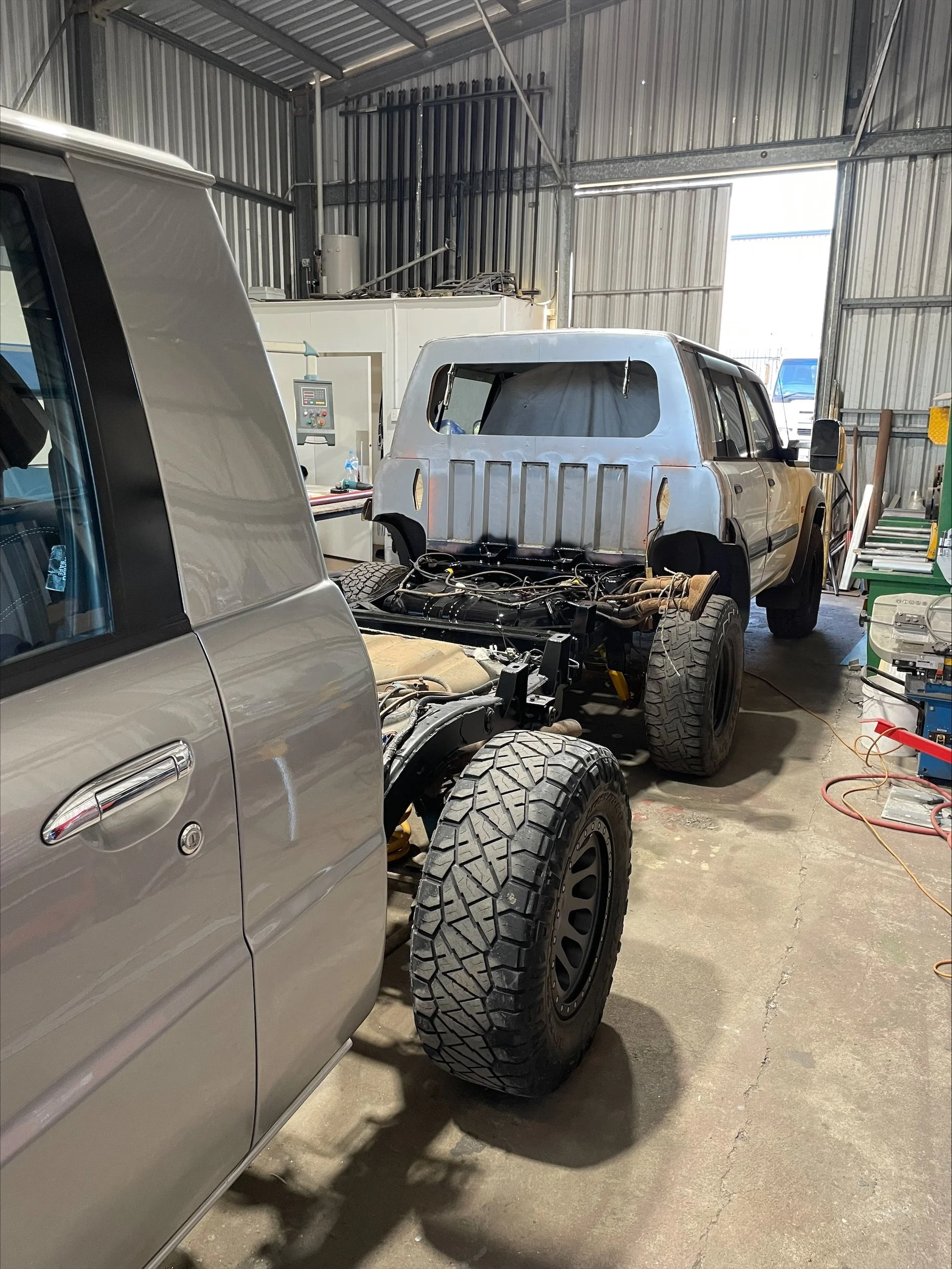
A ute conversion, also called a ute chop, involves completely transforming a 4WD wagon, usually a Land Cruiser or Patrol, into a ute. A specialised vehicle fabricator cuts the vehicle's cab into two pieces, keeping a 2 or 4-door cab on the chassis and discarding the rear of the wagon.
Before you decide whether it is right for you and your vehicle, it’s important to understand what’s involved. Chopping a wagon is not a weekend DIY task; it requires engineering certification, extensive bodywork, primer and paint, chassis bracing and tray mounts. Costs can add up quickly, not only for the conversion itself but also for other components of the new setup such as a tray, canopy, new accessories, upgraded insurance, and registration requirements. Ensure you're well-informed before getting started.
Think carefully about how you use your 4WD. Are you looking for more usable space, better off-road angles, or simply a unique look? The intended use will influence decisions on tray length, cab configuration, and accessory choices. It’s also worth considering resale value. While a well-executed ute chop can be highly sought after, a poorly done job can turn buyers away. A ute conversion is an investment, and for many off-roaders, tourers and tradies, the rewards far outweigh the costs.
REASONS TO CHOOSE A UTE CHOP
Panel damage or rust issues—rear quarter panels are notorious for getting in the way when off-roading, and it’s a common reason people decide to chop their wagon. Instead of paying for repairs, why not give your vehicle a new lease on life, making the investment truly worthwhile.
Maximising space - ute trays offer more open and versatile space than the enclosed back of a wagon. The extra room is ideal for tradies with tools, adventurers with camping gear, or anyone who needs to carry large items. It’s a practical solution for those who need to carry more than what a standard wagon allows.
Got a wagon but want a ute? – a wagon with existing modifications and a good setup can be tough to part with, especially when you start adding up the costs of buying and customising a new vehicle setup. Keep the parts of your current setup you love, like performance and suspension upgrades, and convert it to a ute instead.
Aesthetics and personal preference – there’s no denying that a well-done ute chop is a head turner. They look great, are practical, and will make you fall in love with your vehicle all over again. You likely won’t ever want to sell it, but if you do, resale demand is high for professionally modified 4WDs.
Accessory Options – having a ute opens the door to a variety of accessories including aluminium or steel trays, canopies, under tray storage and water tanks.
Offroad Capability – a ute tray improves departure angles when off-roading, boosting your vehicle’s performance on challenging tracks, and avoiding the panel damage we talked about before.
CHOOSING THE RIGHT CAB SIZE
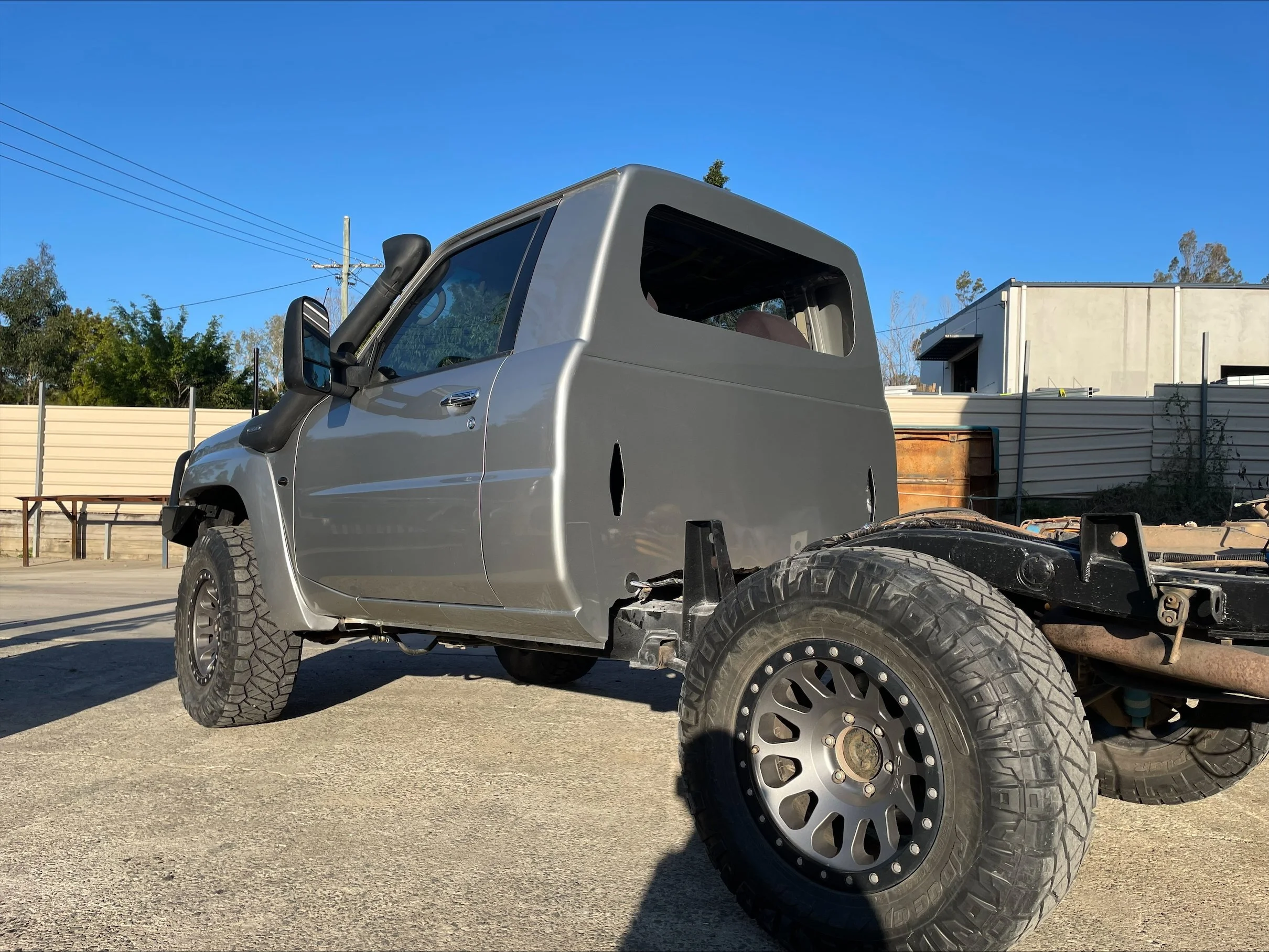
· Dual Cab: Seats five passengers, making it a suitable option for families. The tray size on a dual cab may be smaller but it’s still functional. There is an option to extend the chassis, allowing for more tray space. This option is a popular choice.
· Space Cab: Seats two people and offers additional storage inside the cab, which is perfect for holding fridges, tools, or other large items. This option strikes a good balance between tray space and cab size, with proportions many find visually appealing.
· Single Cab: Seats two people but maximises tray size for those who need the most tray space.
ENGINEERING CONSIDERATIONS
Engineering and certifying your newly modified 4WD is essential for compliance, safety, insurance, and registration. When it comes to engineering the modifications of a wagon to ute conversion, it pays to have the work done by a specialised vehicle modification workshop because if something goes wrong, it's not always an easy fix.
Before your vehicle modification specialist starts cutting your car in half, make sure you know what the final product will look like. Is the rear window factory-sized or custom-sized (which matters if you need to replace it)? Is a flat rear wall or a profiled wall used? How is the new rear wall integrated with the existing cab along the conversion line?
The fabrication techniques used to integrate the new rear wall with the existing cab are key to achieving a clean, high quality and visually appealing finished look. Choose between a square edge finish or a radius rolled edge finish. A radius rolled edge with an internal roll bar along the conversion line provides strength and gives the conversion a factory-like appearance.
Once the conversion from wagon to ute is complete, the vehicle will be engineered and certified, and new modification plates will be issued. The modification plate must be obtained before updating your vehicle registration with your state or territory transport department and your insurance provider.
SELECTING A VEHICLE MODIFICATION SPECIALIST
When modifying your vehicle, it's important to choose reputable professionals to do the work. Look for experienced modifiers who offer after-sales support and warranties, and always review their previous work to ensure you’re getting a quality finished product for your money.
For added convenience, you might opt for a vehicle specialist that provides a drive-in, drive-out service where they complete every stage of the project build, including stripping the interior and reinstalling it once the conversion is complete. Alternatively, you may be after more flexibility to choose which stages of the project the shop will complete, including chopping, priming, and engineering only.
Be aware that the quality of ute conversions can vary greatly, and it’s important to carefully look at the proportions and cut lines that the vehicle fabrication specialist has used in their previous builds. The proportions of cab size to tray or canopy size can make or break the appearance of your new ute. A skilled vehicle fabricator won’t need to use much filler to hide flaws along the cab to rear wall conversion line. It’s the attention to detail and quality of the workmanship that will make your wagon to ute conversion stand out from the rest.
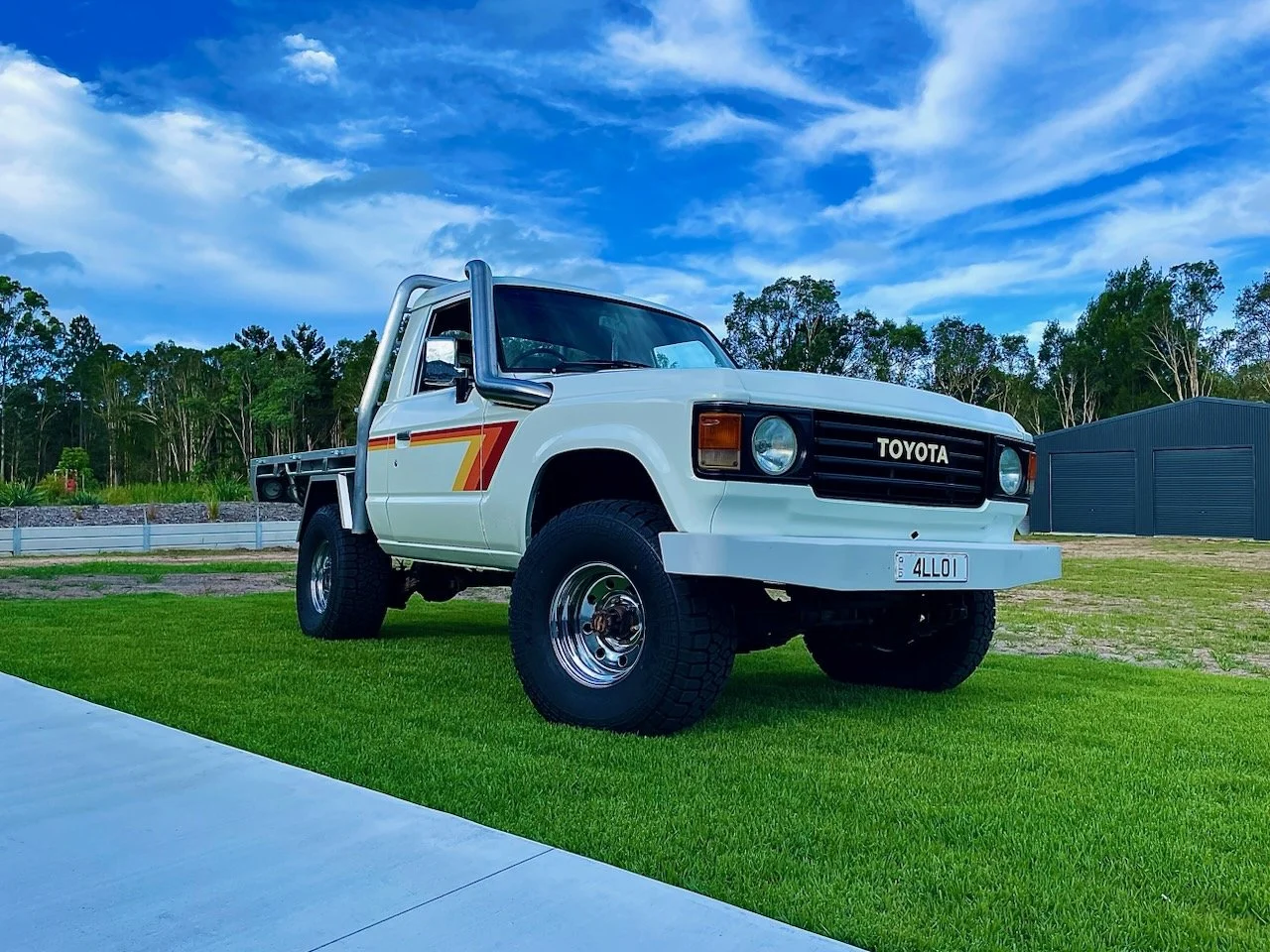
Space cab 60 series
REGISTRATION AND INSURANCE
Australian states and territories require vehicle registration details to be updated to reflect new modifications. It will be necessary to update the vehicle classification from wagon to ute, and the passenger carrying capacity, if this has been reduced. If you have decided to go all in on your ute conversion and transform the colour as well, remember to update this too.
A modified vehicle can impact your insurance policy and premiums, so you’ll need to shop around for an insurance company that will underwrite your chopped vehicle. In our experience, insurance companies that cater to car enthusiasts and four-wheel drives are more likely to insure you.
SUMMARY
A wagon to ute conversion is an epic project that can unlock new functionality and style for your landcruiser or patrol. Before you take the plunge, consider the technical and financial factors and whether the changes will enhance how you use and obsess over your vehicle. Partnering with experienced vehicle modification specialists who understands your end goal and will give you the confidence that they will do the best job with your pride and joy.
Thinking about chopping your wagon? Contact our team for expert advice or give us a call to discuss your custom ute build.